
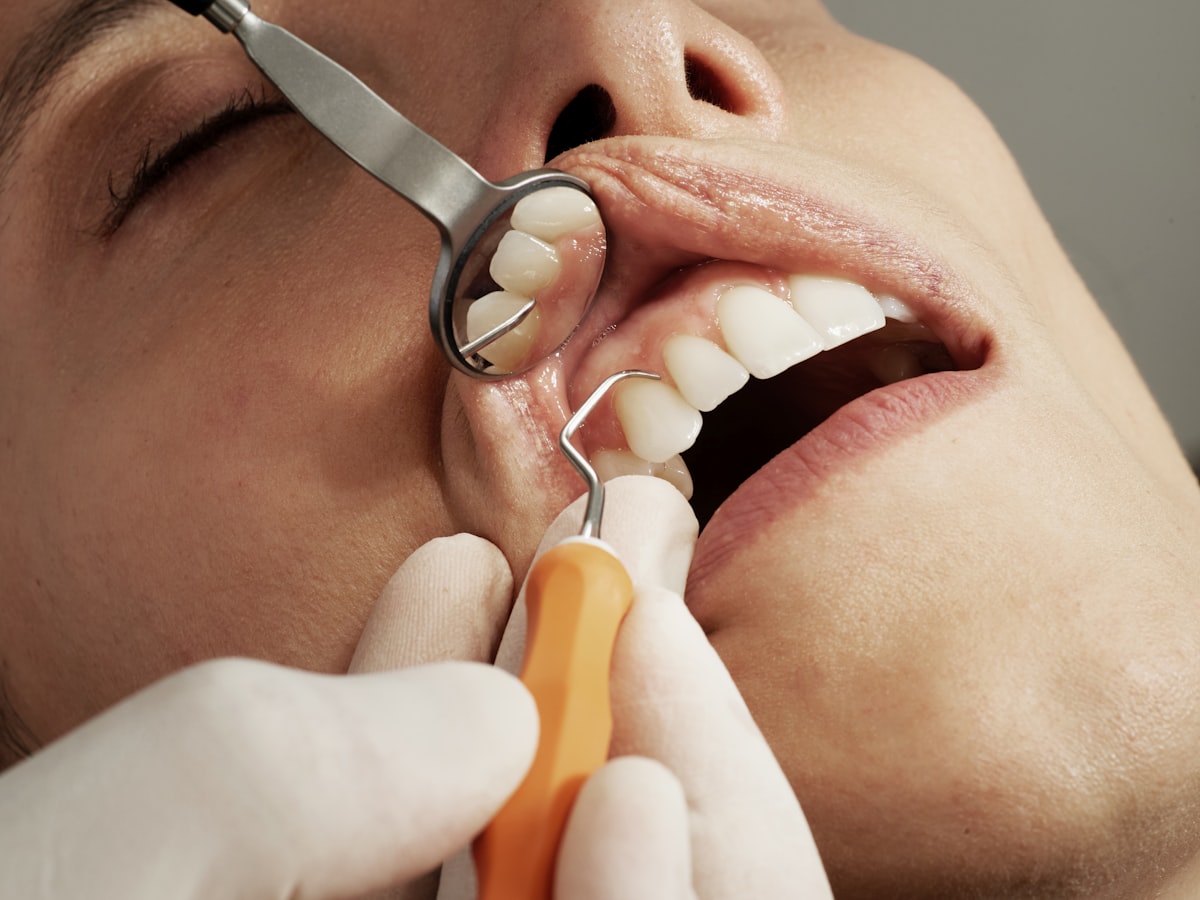
"Fluoride's impact extends beyond the brain to our bones. Excessive fluoride intake can lead to skeletal fluorosis — a condition where bones become brittle and more susceptible to fractures."
Fluoride’s impact extends beyond the brain to our bones. Excessive fluoride intake can lead to skeletal fluorosis—a condition where bones become brittle and more susceptible to fractures. Imagine your bones becoming more fragile over time due to accumulated fluoride altering their structure and density.
**Skeletal Fluorosis:**
A study published in the Journal of Bone and Mineral Research highlights the prevalence and severity of skeletal fluorosis in endemic fluorosis areas in China. You can explore the study on skeletal fluorosis in China.
Research published in Bone examines bone composition in high- and low-fluoride areas in Turkey, revealing significant differences. Details are available in the Bone composition study in high- and low-fluoride areas of Turkey.
Another insightful study in the Journal of Bone and Mineral Research discusses the impact of fluoride on bone density and the risk of fractures. Read the Journal of Bone and Mineral Research study on fluoride and fracture risk.
The World Health Organization and the National Toxicology Program also recognize that long-term exposure to fluoride can impair bone quality and increase fracture risk, especially among vulnerable populations.
**Connection to Alzheimer’s and Dementia**
The potential link between fluoride exposure and neurodegenerative diseases like Alzheimer's and dementia is particularly concerning. Alzheimer's disease, characterized by the accumulation of amyloid plaques in the brain, leads to cognitive decline and memory loss. Some studies suggest that fluoride can exacerbate this process by increasing oxidative stress and promoting inflammation in the brain.
**Alzheimer’s Disease:**
A study in the Journal of Alzheimer's Disease explores the association between fluoride exposure and cognitive decline. Find more information in the Journal of Alzheimer's Disease study on fluoride and cognitive decline.
Another study highlights the potential impact of fluoride on cognitive function in older adults living in China. Explore the study on fluoride and cognitive function in older adults in China.
Research published in Biological Trace Element Research examines the links between chronic fluoride exposure and cognitive function in adults. Details can be found in the Biological Trace Element Research study on chronic fluoride exposure and cognitive function.
**Fluoride and Thyroid Dysfunction**
Fluoride’s interference with thyroid function is another growing concern. The thyroid gland, which helps regulate metabolism, can be particularly sensitive to fluoride, especially in individuals with iodine deficiency.
The Journal of Epidemiology & Community Health published findings linking fluoride in drinking water to increased rates of hypothyroidism.
The National Research Council's 2006 report reviewed extensive data showing that fluoride exposure could alter thyroid hormone production.
A study in Environmental International found that higher fluoride levels corresponded with disrupted thyroid hormone levels, especially T3 and T4.
**Impact on Children’s Intelligence**
Fluoride exposure has been consistently linked to lower IQ levels in children. The previously mentioned Harvard meta-analysis found a consistent association between high fluoride exposure and reduced IQ in children.
**Fluoride Exposure and IQ:**
An insightful study in Environmental Health Perspectives examines the effects of fluoride exposure on IQ scores in children from Iran. You can read the Environmental Health Perspectives study on fluoride and IQ scores in Iranian children.
A review in Environmental Health published a comprehensive review on the developmental neurotoxicity of industrial chemicals, including fluoride. This Environmental Health review on developmental neurotoxicity of industrial chemicals, including fluoride is accessible.
A study in Environmental Science & Policy investigates the relationship between fluoride exposure and cognitive function in children. Find more details in the Environmental Science & Policy study on fluoride exposure and cognitive function in children.
**Fluoride During Pregnancy and Toddler Neurodevelopment**
Recent research has highlighted the impact of fluoride exposure during pregnancy on the neurodevelopment of toddlers. A groundbreaking study published in JAMA Pediatrics found that higher fluoride levels in pregnant women were associated with lower IQ scores in their children at ages 3 and 4.
**Prenatal Exposure and Child IQ:**
The JAMA Pediatrics study details the association between maternal fluoride exposure during pregnancy and IQ scores in offspring in Canada. You can explore the JAMA Pediatrics study on maternal fluoride exposure and child IQ in Canada.
A retrospective cohort study in Neurotoxicology and Teratology examines prenatal fluoride exposure and birth outcomes. The Neurotoxicology and Teratology study on prenatal fluoride exposure and birth outcomes is available.
Another study in Environmental Health Perspectives highlights the potential long-term impacts of fluoride on early brain development. Read the Environmental Health Perspectives study on fluoride's long-term impacts on early brain development.
**The Holistic and Biological Dentistry Approach**
Given these potential dangers, many holistic and biological dental practitioners advocate for caution regarding fluoride use. They recommend seeking alternatives for dental care, such as fluoride-free toothpaste and water filters that remove fluoride. Furthermore, they encourage individuals to be informed about the sources of fluoride exposure in their daily lives and to take proactive steps to minimize it.
**Fluoride-Free Products:**
Holistic dentists use fluoride-free toothpaste, prophy paste, and other dental products during cleanings and treatments. It is important to be aware that while biological offices try to ensure that the VAST majority of our products are BPA free and fluoride free, some products in dentistry are simply not available without fluoride. Of particular note is crown and bridge cements. They simply don’t make them fluoride free. So we choose to live by the 80/20 rule—doing our very best 80% of the time to be as clean as possible, so that the 20% of the time when we must use something less than ideal, we’re still doing far better than average.
To give an example: we all eat out at a restaurant at some point. It’s simply impossible to live in our societies anymore without EVER eating out. Even if you are lucky enough to find a restaurant that uses filtered water when they serve water at the table, most of the time, they are still cooking with tap water. So we are going to get SOME fluoride, some of the time.
**Water Filtration and Real-Life Exposure:**
Most homes don’t have a whole home water filter that removes fluoride. Reverse osmosis (RO) at the kitchen sink is needed to filter it out of drinking water. But we still shower, bathe, and grow food in fluoridated water—so it’s not just about what we ingest. It's also what we absorb. And it’s important to know that these sources expose us to far more fluoride than a mouthful of crowns would ever give you over a lifetime.
This is why the focus should be on controlling what we can. Our biological dental office ensures that every product used (besides the rare unavoidable one) is free of fluoride and other toxins.
**Alternative Treatments:**
Instead of fluoride treatments, holistic dentists may use natural remineralizing agents that do not carry the same risks.
**Water Safety in Our Office:**
While many conventional offices use distilled water, our holistic practice takes extra steps—we double filter, distill, and then ozonate the water. You can rest assured that the water used in our treatments is incredibly clean.
**Conclusion**
Even routine cleanings at a conventional dentist can result in significant fluoride exposure, particularly through the use of fluoride-containing prophy paste and other dental products. Recent research links fluoride to various health concerns, including neurotoxicity, bone damage, thyroid dysfunction, and developmental issues in children. By understanding these risks and opting for a holistic or biological dentist, individuals can reduce their fluoride intake and take a more natural approach to dental care.
What’s really interesting is that biological dentistry has come under fire for the last 50+ years for its stance against fluoride. The research that has come out in recent years has shown that fluoride causes intelligence to drop in children. The research is there, and yet the conventional community completely denied it. Well guess what? It’s now been admitted by the NIH!!! Here is the article…
🔗 NTP monograph on fluoride neurotoxicity and cognitive effects
Remember, your smile and health are worth every bit of care and attention. Embrace the journey towards a healthier, fluoride-free approach to dental care with confidence and peace of mind.